


How Nitric Oxide and Red Spinach Support Better Breathing, Circulation, and Energy
How Nitric Oxide and Red Spinach Support Better Breathing, Energy, and Circulation
Nitric oxide is a naturally occurring gas that your body produces every day—and it’s one of the most powerful molecules for maintaining energy, circulation, and overall vitality.
You can increase nitric oxide levels in two main ways: through inhalation (breathing through the nose) and through consuming nitrate-rich foods such as red spinach and beets. Understanding how both pathways work can help you breathe easier, move better, and keep your body energized from morning to night.
How Inhaled Nitric Oxide Works
Your paranasal sinuses—the small air-filled spaces surrounding your nasal cavity—are constantly producing nitric oxide. Scientists once believed these sinuses acted as a “nitric oxide reservoir” because of how much is generated there naturally.
When you inhale through your nose, nitric oxide travels from the nasal passages into the lungs and bloodstream, improving oxygen delivery to every cell in the body. This process helps widen airways in the lungs (bronchodilation) and relax blood vessels (vasodilation), supporting smoother breathing and healthier circulation.
Mouth breathing, however, bypasses this nitric oxide-rich zone. In contrast, deep nose breathing promotes higher nitric oxide levels, a stronger immune response, and better oxygen efficiency. The difference can often be felt within minutes—nose breathing tends to create a calmer, clearer state of focus and ease.
Boosting Nitric Oxide 15x by Humming
Want to supercharge your body’s nitric oxide naturally? Try humming.
When you hum during exhalation, the oscillating airflow between your nasal cavity and sinuses increases nitric oxide production dramatically—by up to 15 times more than quiet breathing. This rhythmic vibration encourages nitric oxide to move freely through the sinuses, amplifying oxygen uptake and supporting sinus health, relaxation, and circulation.
Even humming a favorite tune for a few minutes daily can become a quick nitric oxide-boosting ritual.
What Happens When Nitric Oxide Enters the Bloodstream
When nitric oxide is inhaled, it diffuses into the blood and interacts with red blood cells, helping them release oxygen more efficiently to tissues and organs. This process improves cellular energy, heart function, and overall oxygen efficiency—vital for athletes, active adults, and anyone looking to stay energized and focused throughout the day.
Nitric oxide also acts as an internal messenger, helping coordinate essential functions across the body. It supports healthy circulation, energy production, cognitive performance, vision and focus, muscle recovery, athletic endurance, and immune defense.
Boosting Nitric Oxide with Nitrate-Rich Foods
While nasal breathing naturally supports nitric oxide production, consuming nitrate-rich vegetables takes those benefits even further. Dietary nitrates convert into nitrites and then into nitric oxide inside the body—enhancing blood flow, oxygen transport, and stamina.
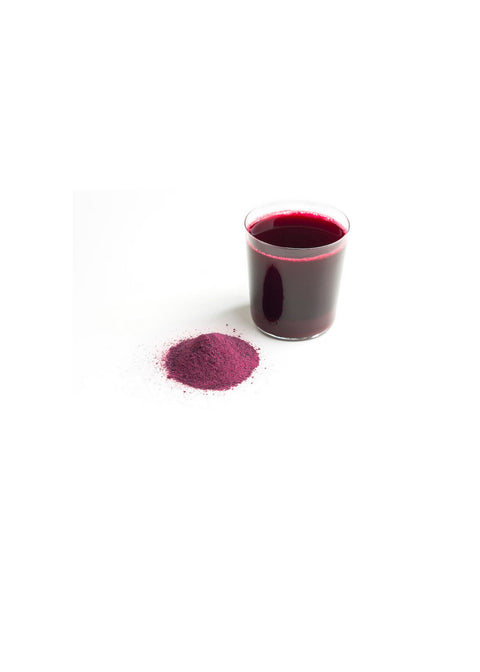
Some of the best nitrate-rich vegetables include red spinach (Amaranthus spp.), beets, arugula, bok choy, celery, swiss chard, kale, mustard greens, broccoli, and green spinach. Just one cup of nitrate-rich vegetables a day—or a scoop of concentrated red spinach powder—can meaningfully boost nitric oxide levels to support heart and circulatory health.
Red Spinach: A Natural Powerhouse for Nitric Oxide
While both beets and red spinach are known for supporting nitric oxide, red spinach stands out as one of the most potent sources of natural plant-based nitrate.
As part of the amaranth family, red spinach delivers a powerful blend of nitrates and phytochemicals that enhance oxygen flow, stamina, and endurance. It’s a favorite among athletes and wellness enthusiasts for its clean, sustained energy—without stimulants.
When choosing a red spinach supplement, look for pure, plant-based formulations with minimal additives. Pairing red spinach with fruits like orange, pineapple, or pomegranate can help nitric oxide last longer in the body, while antioxidants in these fruits also support recovery and reduce post-workout inflammation.
Benefits of Red Spinach for Nitric Oxide Support:
Increases endurance and physical performance
Supports heart and vascular health
Improves digestion and gut function
Promotes muscle recovery and growth
Enhances circulation and oxygen efficiency
Boosts skin health and vibrancy
To support your daily nitric oxide needs, check out our red spinach–based nitric oxide boosters here at NutriGardens—a simple, natural way to energize your body from the inside out. [Insert product link]
Signs of Low Nitric Oxide
Because nitric oxide is a gas that rapidly breaks down, measuring it directly is difficult. Still, there are common signs your body may not be producing enough:
– Persistent fatigue
– Slower muscle recovery
– Stiffness or reduced flexibility
– Poor circulation (cold hands or feet)
– Brain fog or low focus
– Changes in vision
– Chronic stress or irritability
If you recognize these symptoms, it may be time to focus on nitrate-rich foods, proper nasal breathing, and daily movement—all simple, natural ways to restore balance.
How Much Nitrate Is Needed?
For general health, just one serving of nitrate-rich vegetables daily can help maintain nitric oxide levels and support vascular wellness. For athletes or those seeking performance support, about 400 mg of dietary nitrate has been shown to optimize nitric oxide production for endurance, oxygen efficiency, and recovery.
A single serving of red spinach extract can often meet this amount—making it one of the easiest and most effective daily habits for boosting nitric oxide naturally.


Comments (0)
There are no comments for this article. Be the first one to leave a message!