


Beetroot Side Effects and Reactions
Beetroot is widely consumed as both a food and a supplement, particularly by people interested in dietary nitrate and nitric oxide. Although beets offer nutritional benefits, some people may experience beetroot side effects or need to consider factors such as blood pressure, digestive discomfort, beeturia and naturally occurring oxalates.
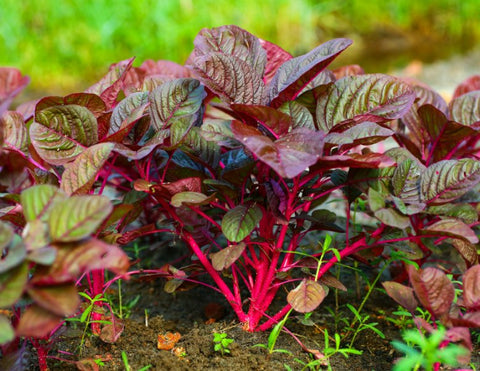
At NutriGardens we love beets and recognize them as a valuable source of dietary nitrate. After more than a decade of producing beetroot supplements, however, NutriGardens transitioned to red spinach. Our red spinach extract provides up to five times the naturally occurring nitrate of conventional beet powder, requires a much smaller serving and contains no detectable oxalates. For these reasons, red spinach is now the foundation of our dietary nitrate products. The information below about beetroot side effects remains useful for anyone consuming beets or beetroot supplements.
Explore Our Red Spinach Products
Hypotensive Effects (Lowers Blood Pressure)
Beets and red spinach help get nutrients and oxygen moving throughout the body by raising levels of nitrates that convert into nitric oxide - a gaseous molecule that widens the smooth muscles of blood vessels. Exercise and plant-based diets are excellent for those seeking improved vasodilation. These lifestyle habits are especially helpful for those at risk of lifestyle related ailments from excess weight and poor stress management.
However, those who are already hypotensive may not want to drop their blood pressure to avoid the risk of dizziness and falls. This is why people who take certain medications should monitor their blood pressure and check in regularly with their doctor if hypotension is an issue.
Beeturia - Pink-Colored Waste

Beeturia, the name for the pink discoloration of urine following the consumption of beets, is harmless. Pink-colored waste from beets are packed with antioxidants that are directly derived from the vibrant color of betalain pigments and also contain fiber and vitamin C, supportive of a healthy digestive system.
In some people, beets may temporarily cause urine to appear pink or red. However, changes in urine color can have other causes as well. If pink or red urine occurs when you have not recently consumed beets, or if it persists or is accompanied by other symptoms, speak with a healthcare professional.
Mild Allergic Reactions
Although beetroot sensitization was not proven, uncommon mild reactions to beetroot may include itchiness or rash after excessive consumption. While consuming beetroot as part of a daily diet is beneficial, about 2 cups of fresh beets could help power you through the day. Of course, recommended daily value varies depending on factors such as height, weight, age and nitrate levels.
Oxalates May Impede Calcium Absorption
Beets, beet greens, green spinach, chocolate, green tea, beans, and red wine all contain oxalates (oxalic acid), synonymous with many healthy foods but also known to slow down calcium absorption. Oxalates accomplish this by binding to the mineral and making it hard for the body to absorb them. While beets contain small amounts of calcium, their benefits far outweigh the risk of taking in less calcium.
Of course, if calcium reduction is a worry, increasing calcium intake to meet the 1,000-1,500 recommended mg daily value can be achieved by adding high calcium vegetables like collard greens, spinach, turnip greens, kale, mustard greens, bok choy, okra, or swiss chard.
Upset Stomach from Beetroot Side Effects
Beets are great for the digestive system because of their effects on gut bacteria health. However, people with sensitive stomachs may experience digestive distress (like gas or bloating) when consuming beets.
A mild upset stomach could be the result of the fiber content in beets helping clear the digestive tract. This may be more prominent if fiber consumption was already low before adding beets to the diet.

Fatigue or Dizziness During Pregnancy
Some of the dizziness encountered when adding beets to a diet may be linked to lower blood pressure, especially during pregnancy. The combination of blood pressure that drops during pregnancy and from increased nitric oxide could cause extremely low blood pressure leading to dizziness or fatigue.
While cardiovascular effects of nitric oxide support a healthy heart, pregnant women and others who experience hypotension may want to speak with their doctor before doing anything to reduce their blood pressure.
Possible Kidney Stones
High oxalate (oxalic acid) intake is also linked to kidney stones. Despite this possibility, beets and kidney issues are not common compared to the collective whole. In fact, due to their positive effect on circulation as a result of dietary nitrates and potassium levels, beetroot can potentially support multiple organs. When considering your health, consult a healthcare professional about adding beets to the diet.
Beetroot side effects are not common and so far have not been widely associated with negative health. In fact, the opposite is true. The larger concern is the health effects that come with a diet low in nitrate and a body that lacks high nitric oxide production. The worst beetroot side effect could be when eating too many beets, and kidney stones become a concern. Beets and beetroot supplements provide a powerful tool for boosting nitric oxide, but as with everything in life, it is important to know the side effects to avoid them and truly leverage the health benefits of beetroot.
Why We Transitioned From Beetroot to Red Spinach

Beets remain a nutritious food and a well-established source of dietary nitrate. But obtaining a consistent amount of nitrate from conventional beet powder can require a relatively large serving because nitrate concentrations naturally vary.
NutriGardens now makes and recommends red spinach over beets because it provides a more concentrated source of naturally occurring nitrate. This allows our products to deliver a standardized amount in a smaller serving, without beet flavor. Our finished red spinach extract also has no detectable oxalates.
References:
Coles, Leah T, and Peter M Clifton. “Effect of beetroot juice on lowering blood pressure in free-living, disease-free adults: a randomized, placebo-controlled trial.” Nutrition journal vol. 11 106. 11 Dec. 2012, doi:10.1186/1475-2891-11-106
Barber, Thomas M et al. “The Health Benefits of Dietary Fibre.” Nutrients vol. 12,10 3209. 21 Oct. 2020, doi:10.3390/nu12103209
Lopes de Oliveira, L.C., Genov, I.R., Cabral, E.d.C. et al. Anaphylaxis to beetroot (Beta vulgaris): a case report. Clin Transl Allergy 1, P51 (2011). https://doi.org/10.1186/2045-7022-1-S1-P51
“Optimal calcium intake.” NIH consensus statement vol. 12,4 (1994): 1-31.
de Oliveira, Sônia Paula Alexandrino et al. “A review on bioactive compounds of beet (Beta vulgaris L. subsp. vulgaris) with special emphasis on their beneficial effects on gut microbiota and gastrointestinal health.” Critical reviews in food science and nutrition vol. 61,12 (2021): 2022-2033. doi:10.1080/10408398.2020.1768510
Hohmann, M, and W Künzel. “Der niedrige Blutdruck in der Schwangerschaft--Ursachen, Folgen und Therapie” [Low blood pressure in pregnancy]. Zeitschrift fur Geburtshilfe und Neonatologie vol. 211,2 (2007): 45-53. doi:10.1055/s-2006-933493
Kemmner, Stephan et al. “Dietary nitrate load lowers blood pressure and renal resistive index in patients with chronic kidney disease: A pilot study.” Nitric oxide : biology and chemistry vol. 64 (2017): 7-15. doi:10.1016/j.niox.2017.01.011
Mirmiran, Parvin et al. “Functional properties of beetroot (Beta vulgaris) in management of cardio-metabolic diseases.” Nutrition & metabolism vol. 17 3. 7 Jan. 2020, doi:10.1186/s12986-019-0421-0
Sauder HM, Rawla P. Beeturia. [Updated 2021 Dec 12]. In: StatPearls [Internet]. Treasure Island (FL): StatPearls Publishing; 2022 Jan-. Available from: https://www.ncbi.nlm.nih.gov/books/NBK537012/
Rode, J., Bazin, D., Dessombz, A., Benzerara, Y., Letavernier, E., Tabibzadeh, N., Hoznek, A., Tligui, M., Traxer, O., Daudon, M., & Haymann, J. P. (2019). Daily Green Tea Infusions in Hypercalciuric Renal Stone Patients: No Evidence for Increased Stone Risk Factors or Oxalate-Dependent Stones. Nutrients, 11(2), 256. https://doi.org/10.3390/nu11020256


Comments (0)
There are no comments for this article. Be the first one to leave a message!